Return Flight Ticket for a Visa Application: What You Actually Need in 2026
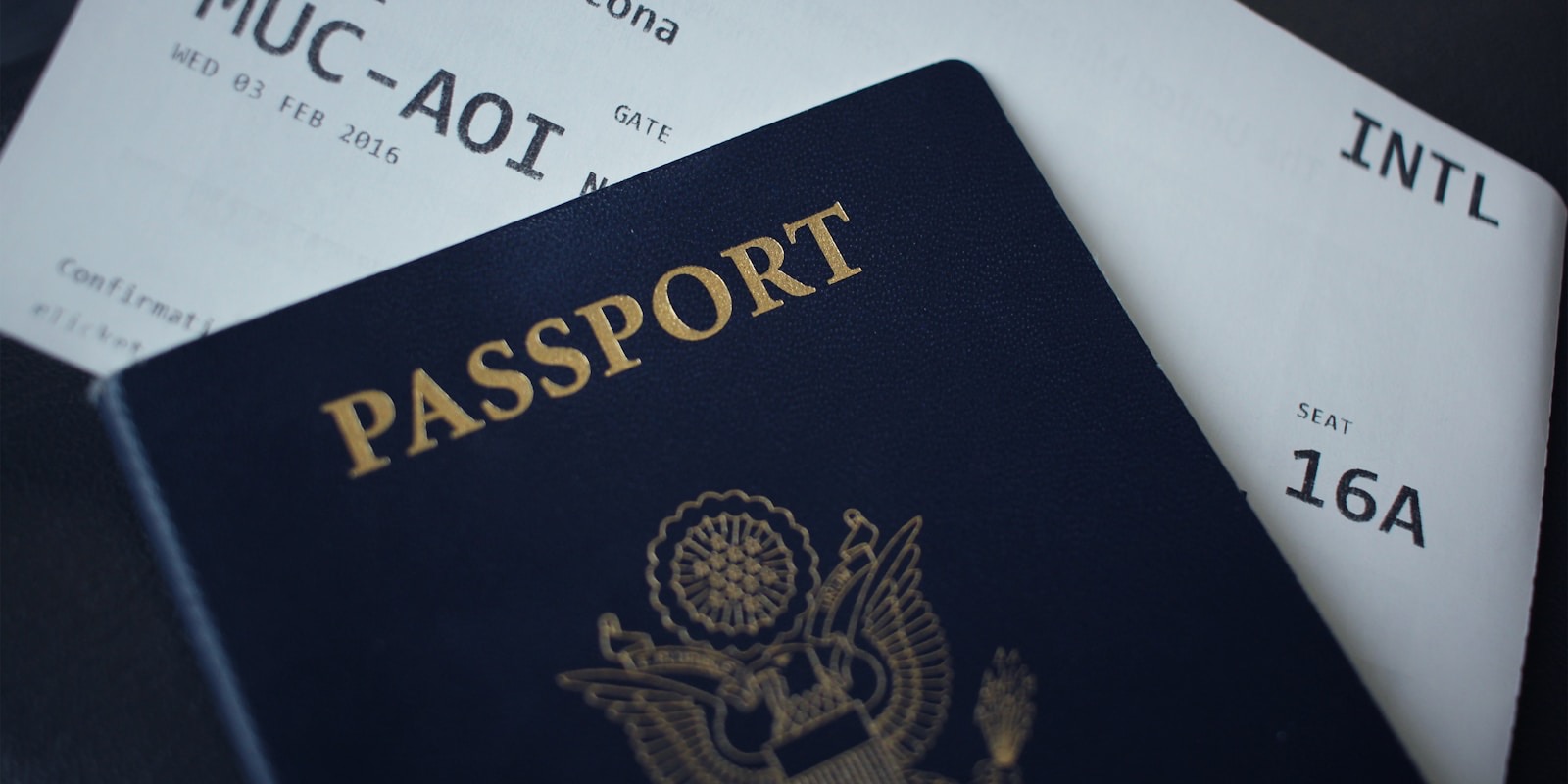
Here's the bind almost every visa applicant hits. The form, or the checklist, or the consulate website asks for a "return flight ticket" or a "round-trip reservation." So you sit there thinking: do I really have to buy a flight, for hundreds of pounds, for a trip that might not even be approved? And if the visa gets refused, is that money just gone?
Take a breath, because in the vast majority of cases the answer is no, you don't buy the flight first. What these applications are actually asking for is proof of your travel plan, not a receipt showing you've paid for one. That's a meaningful difference, and understanding it saves you money and a lot of anxiety. So here's what a return flight ticket really means on a visa application, why they ask, and the calm, honest way to satisfy it.
What a "return flight ticket" means on a visa application
When a consulate asks for a return or round-trip flight, what they want to see is a plausible, documented plan: you arriving on roughly these dates, and you leaving again on roughly those dates, within the stay the visa would allow. It's evidence of intent. It tells the officer you're a genuine visitor with a beginning and an end to your trip, not someone planning to land and quietly stay.
Critically, most consulates ask for a flight reservation or itinerary, not a paid, non-refundable ticket. The word "ticket" on the checklist is doing loose work; what satisfies it is a confirmed booking document showing the routing and dates. That distinction is the whole reason this article exists, because reading "ticket" too literally is what leads people to spend money they didn't need to spend.
Why they ask, and why it hedges by country
Consulates ask for a return or onward flight for the same underlying reason immigration systems everywhere do: they want confidence you'll leave. It supports the story your application tells, alongside your accommodation, your funds, and your reason for travelling.
But the specifics vary enormously, and they change. Some consulates explicitly say "do not purchase tickets until your visa is approved" and want only a reservation. Others are vaguer. A few, for certain visa types, may want more. Requirements differ by your nationality, the country you're applying to, the visa category, and sometimes the individual consulate or the agency handling submissions. Rules also get updated without much fanfare. So treat this guide as the general shape of things, and always check the exact, current requirement on the official consulate or embassy site for your specific application before you book or pay for anything.
Two moments this actually matters
It helps to see that a return flight comes up at two separate points in a trip, run by different people with different concerns.
At the visa application stage. The consulate reviewing your file wants a return or onward itinerary as part of the paperwork. Here they're assessing intent on paper, before you travel. A confirmed reservation showing sensible dates and routing is usually what's needed, and buying a real ticket before you even know the outcome is exactly what most of them tell you not to do.
At airline check-in, when you actually fly. This is a separate check, and people forget it. Even with the visa granted, the airline flying you can ask to see onward or return travel before boarding, because if you're refused entry the airline eats the cost of flying you back and can be fined. A valid visa doesn't remove this check. So the return-flight question can land on you twice: once on paper for the consulate, and again at the gate for the airline.
The takeaway: you may need to show a return or onward booking at both moments, so it's worth having something real and checkable ready for each.
How to satisfy it, ranked
A genuine, verifiable held reservation. When you're applying and haven't been approved yet, or your dates aren't final, a real held reservation is built for precisely this. It's an actual airline booking with a real reference (a PNR) you can verify, held under the fare's own rules without the airfare being charged, so you have an honest, checkable itinerary to submit and to show, without paying for a flight that hangs on an approval you don't have yet.
This is the gap Peregrin fills. It creates a genuine, verifiable held airline reservation in your name in minutes, so you have real proof of onward or return travel to show for your application and at check-in, for a flat fee, with no airfare charged unless you later confirm and fly. It's a real reservation with a real PNR, not an edited screenshot, so it holds up when a consulate or an airline actually checks the reference. (A reservation is a held booking, not a purchased ticket.)
A real return flight you'll take. If your dates are firm and you're confident of approval (or the trip is happening regardless), just book the flight. A ticket you'll genuinely use is the cleanest evidence there is. The only real risk is a refusal or a change of plans leaving you with a fare to reclaim.
A fully refundable ticket. Legitimate, and a common fallback, but you're tying up real money up front and refundable fares cost more and can be slow to reverse. Fine if your budget can float the amount and you'd rather hold an actual ticket.
And the one to steer well clear of: a faked or edited itinerary. A consulate that processes thousands of applications knows what a real booking looks like and can verify a reference, and a faked document doesn't just fail, it can taint the whole application and your future ones. Whatever you submit, make it real and verifiable. We've written a full guide on why the "dummy ticket" shortcut backfires if you want the detail.
Step by step before you apply and fly
- Read the official checklist for your exact visa, on the consulate or embassy's own site, and note whether it asks for a "reservation/itinerary" or specifically a paid ticket. Most want the former.
- Check the timing guidance. Many consulates explicitly say not to buy tickets until the visa is approved. If yours does, a reservation is the right tool at the application stage.
- Get a genuine itinerary with sensible dates and routing inside the stay the visa allows: a verifiable reservation, a refundable ticket, or a real flight if you're committed.
- Keep copies for both moments: submit it with your application, and keep the booking and its reference on your phone (plus a printout) for airline check-in when you actually travel.
A couple of things worth sorting anyway
(A quick note: some links below are affiliate links, so we may earn a small commission if you use them. It costs you nothing extra, and we only point to things we'd genuinely suggest to a friend.)
- Travel insurance. Some visas (Schengen being the obvious one) require medical cover with a minimum level, and even where it's not mandatory it's worth having. SafetyWing is built for travellers and nomads and takes a few minutes online. New to SafetyWing? On their Nomad Insurance page, click the pink camera and enter code PEREGRIN for 8 weeks of electronics-theft cover free (28-day or annual Nomad Essential plan).
- Accommodation. Many applications also ask for proof of where you'll stay, so a confirmed booking does double duty. A free-to-cancel stay on Booking.com keeps it flexible while your dates settle.
- Things to do. Once the visa's in hand, if you like planning ahead, browse experiences here.
FAQ
Do I have to buy a return flight before my visa is approved? Usually no. Most consulates ask for a return or round-trip reservation or itinerary, not a paid ticket, and many explicitly warn against buying flights before approval. Always confirm the wording on the official checklist for your specific visa.
Will a flight reservation be accepted instead of a purchased ticket? For the majority of applications, yes, a genuine confirmed reservation with a real booking reference is what's expected. The key is that it's real and verifiable, not an edited image. Check your consulate's exact requirement, since a small number of cases differ.
What happens to my money if the visa is refused and I already bought the flight? If you bought a non-refundable ticket, you're relying on the airline's refund or change rules, which are often unfavourable. That's exactly why a reservation, or a refundable fare, is the safer route at the application stage.
Do I need the return flight again at the airport, or just for the application? Potentially both. The consulate wants it on paper, and separately the airline can ask to see onward or return travel at check-in, because it carries the cost if you're refused entry. Keep a real booking ready for both moments.
Is using a "dummy ticket" for a visa a good idea? Only if it's a genuine, verifiable reservation. An edited or faked itinerary can be checked and can sink your application, so avoid anything that isn't a real booking. A held reservation with a real reference gives you the same convenience honestly.
Related guides
- Flight Itinerary for a Visa Application
- Dummy Ticket for a Visa Application: What It Really Means
- Onward Ticket for a Schengen Visa
- Onward Ticket Meaning
Applying for a visa and need a return or onward itinerary without buying a flight before you're approved? Peregrin creates a genuine, verifiable flight reservation in minutes, a real airline booking reference you can submit and show at check-in, for a flat fee, no airfare charged unless you choose to fly. Get your reservation →
(This guide is general information, not immigration or visa advice. Requirements change and vary by nationality, destination, and visa type. Always verify the current rules with the official consulate or embassy before you apply or book.)
Need proof of onward travel?
Get a genuine, verifiable flight ticket reservation in minutes. A real airline booking reference you can show at check-in or with a visa application. No airfare paid unless you choose to fly.
Get a reservation →