How to Show Proof of Onward Travel: A Calm, Practical Guide for 2026
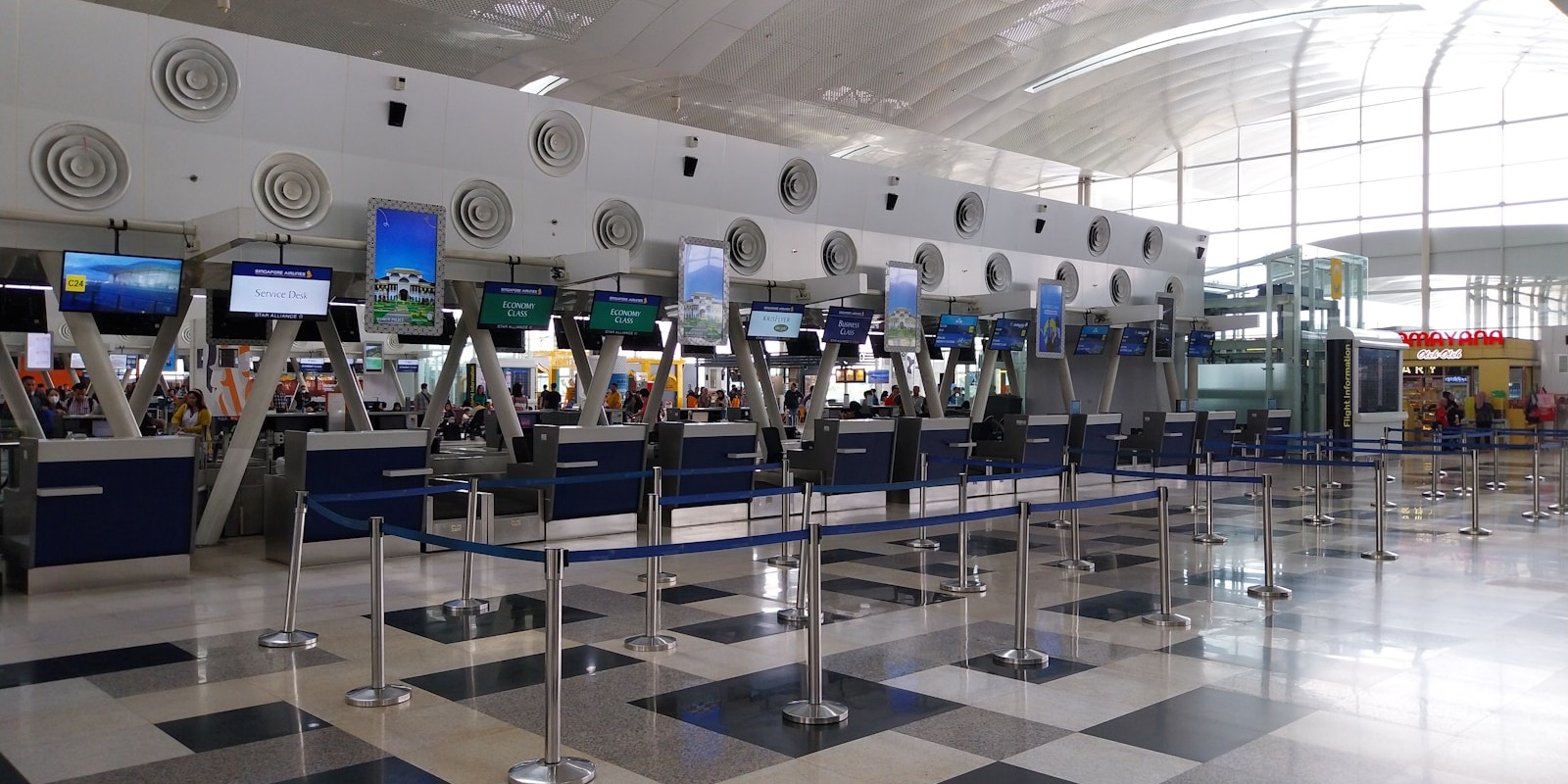
At some point in your travelling life, someone in a uniform is going to ask how you plan to leave the country you're trying to enter. Usually it's a check-in agent, occasionally an immigration officer, and almost always it happens when you're least in the mood for admin: bag on the scale, queue behind you, one-way ticket on your phone and a vague plan in your head.
The good news is that "proof of onward travel" sounds more official than it is. It's a simple requirement with a few perfectly legitimate ways to satisfy it, and once you understand what's actually being asked, showing it becomes a ten-second non-event. This guide walks through what it means, who asks and why, and exactly how to show it without buying a flight you don't want or reaching for anything dodgy.
What "proof of onward travel" actually means
Proof of onward travel is evidence that you intend to leave a country within the time you're allowed to stay. That's the whole idea. It's a confirmed booking showing you departing, either home or onward to your next destination, before your permitted stay ends.
It's easy to confuse it with your permission to enter, but they're two different things. Your visa or visa-free eligibility answers "am I allowed in?" Your onward booking answers "do I have a plan to leave?" Both can be checked on the same trip, just by different people at different moments. And the second question is the one travellers forget to prepare for, because it feels like the airline shouldn't care where you're going after you land. As we'll see, they very much do.
Who asks, and why they care
Two groups can ask to see proof of onward travel, and understanding their motives tells you exactly how firm they're likely to be.
Airlines, at check-in. This is the big one, and it catches people out constantly. If an airline carries you to a country that then refuses you entry, the airline is legally on the hook to fly you back, and it can be fined on top. So the check-in agent asking about your onward plans isn't being nosy or enforcing another country's immigration law. They're protecting their employer from a very real cost. That's why airlines are often stricter than the border itself, and why a valid visa on your phone doesn't always end the conversation.
Immigration officers, on arrival. Border officers can ask about your plans too, though it tends to be more of a conversation than a checkbox. A clear answer backed by a real booking keeps things short. It's more likely to come up if your intended stay is long, your answers are vague, or you've arrived on a one-way ticket with no obvious next step.
The takeaway that saves the most grief: prepare for the airline, not just the border. Even when the destination country is relaxed, the carrier flying you there may not be.
Two checkpoints, and they're not the same
It's worth holding these two apart in your head, because they behave differently.
At check-in, before you board. Strict, transactional, and happening before you've even left home. The agent wants to see something concrete before printing your boarding pass. No proof, and you can be denied boarding on a flight you've already paid for, which is a genuinely bad way to start a trip.
At immigration, on arrival. More human, less predictable. Some officers wave you through, some ask a couple of questions. A booking you can show turns a potentially awkward chat into a formality.
Because the check-in desk is the stricter and earlier of the two, that's the one to be ready for. If you can satisfy the airline, you're almost certainly fine at the border.
How to show it, ranked
Here are the legitimate ways to show proof of onward travel, from most flexible to least, plus the one to avoid entirely.
A genuine, verifiable held reservation. If your plans are still open (you don't yet know where you're going next, or when), a real held reservation is purpose-built for this. It's a genuine airline booking with a real reference, a PNR, that someone can actually verify, held under the fare's own rules without the airfare being charged. You get something real and checkable to show, without committing money to a flight you may never take.
This is the gap Peregrin fills: it creates a genuine, verifiable held airline reservation in your name in minutes, so you have honest proof of onward travel to show, for a flat fee, with no airfare charged unless you later confirm and fly. It's a real reservation, not an edited screenshot, so it holds up when someone actually enters the reference. (A reservation is a held booking, not a purchased ticket.)
A real onward flight you'll take. If you already know your next move, book it. A ticket you'll genuinely use is the cleanest possible proof, and it doubles as your actual travel plan. This is ideal when your itinerary is firm.
A fully refundable ticket. Legitimate, but you're tying up real money up front, and refundable fares tend to be expensive and slow to claw back. It works if your plans are settled and your budget can float the gap until the refund lands.
And the one to avoid completely: a faked or edited itinerary, a screenshot doctored to look like a booking, or a "reservation" from a service that never actually holds anything real. These fall apart the instant someone enters the reference and finds nothing behind it, and at that point a routine question becomes a serious one about whether anything you've told them is true. It's not worth it, especially when a genuine reservation costs so little and does the job honestly. Whatever you show, make it real and verifiable.
Step by step: how to show proof of onward travel
- Check the actual requirement for your destination and nationality on official government immigration sources, since rules change and vary from one passport to the next.
- Decide which option fits your trip: a real onward flight if your plans are firm, a genuine verifiable reservation if they're not, or a refundable ticket if you'd rather park the cash.
- Make sure the dates work. Your onward booking should show you leaving within your permitted stay, not after it.
- Match the name exactly to your passport. A mismatch can undo an otherwise perfect booking.
- Have it ready in two forms: on your phone and as a printout showing the booking reference, so you can produce it at the check-in desk without fumbling.
- Show it calmly. You're not doing anything wrong. You're answering a reasonable question with a real booking, which is exactly what's being asked for.
A couple of things worth sorting anyway
(A quick note: some links below are affiliate links, so we may earn a small commission if you use them. It costs you nothing extra, and we only point to things we'd genuinely suggest to a friend.)
- Travel insurance. Whatever country you're entering, medical cover you'd actually want as a foreigner is far easier to have before you need it than to arrange after something goes wrong. SafetyWing is built for travellers and nomads and takes a few minutes online. New to SafetyWing? On their Nomad Insurance page, click the pink camera and enter code PEREGRIN for 8 weeks of electronics-theft cover free (28-day or annual Nomad Essential plan).
- Accommodation. A confirmed first booking is handy for your own arrival sanity, and some borders ask where you're staying too. A free-to-cancel stay on Booking.com keeps it flexible while your plans firm up.
- Things to do. If you like to land with a couple of things already booked, browse tours and tickets here.
FAQ
What counts as proof of onward travel? A confirmed booking that shows you leaving the country within your permitted stay. That can be a real onward flight, a fully refundable ticket, or a genuine, verifiable held reservation with a real booking reference. The common thread is that it's real and can be checked.
Does a reservation count, or do I need to buy a ticket? For most check-in and immigration purposes the requirement is a confirmed onward booking, not proof that you've paid in full and will definitely fly. A genuine, verifiable reservation with a real reference is designed to meet that, which is why it's a popular option when plans are still open.
Can I just show a one-way ticket? Sometimes it's fine, often it isn't. On a one-way ticket you're more likely to be asked how you plan to leave, especially by the airline at check-in. Having onward proof ready removes the risk of being denied boarding.
Will they actually check the booking? They can, and increasingly they do, by entering the reference to confirm it's real. That's precisely why an edited screenshot is a bad idea and a genuine reservation is a good one.
How do I show it at the airport? Have it on your phone and as a printout that clearly shows the booking reference, then present it at check-in if you're asked. Calm and prepared beats scrambling through your emails at the desk.
Related guides
- Onward Ticket Meaning: What Airlines and Border Officers Actually Want
- Flight Itinerary for a Visa Application: What It Needs to Show
- Onward Ticket for a Schengen Visa: What You Actually Need
- Dummy Ticket for a Visa Application: What It Really Means
Need to show proof of onward travel without buying a flight you may not use? Peregrin creates a genuine, verifiable flight reservation in minutes, a real airline booking reference you can show at check-in and immigration, for a flat fee, no airfare charged unless you choose to fly. Get your reservation →
(This guide is general information, not immigration or visa advice. Entry rules change and vary by nationality. Always verify current requirements with official sources before you travel.)
Need proof of onward travel?
Get a genuine, verifiable flight ticket reservation in minutes. A real airline booking reference you can show at check-in or with a visa application. No airfare paid unless you choose to fly.
Get a reservation →