Proof of Onward Travel for Peru: What You Actually Need in 2026
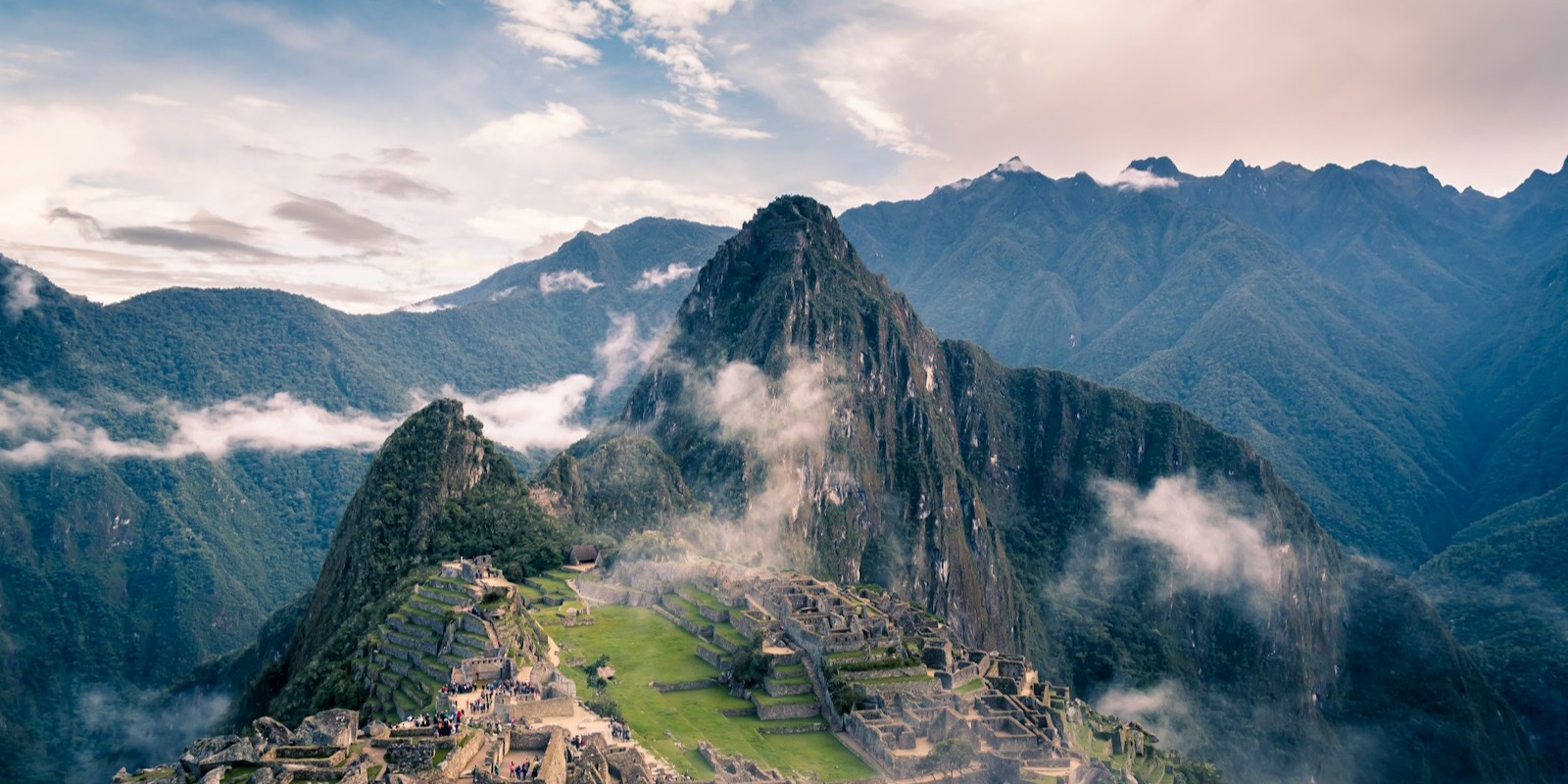
Booked the flight to Lima, sorted your Machu Picchu permits, maybe even packed the good hiking socks. Then somewhere in a Reddit thread at 1am you read that Peru might ask for proof you're leaving again, and suddenly you're not sure if your one-way flight is a problem or not.
Good news: it's a solvable problem, and it usually takes less time than picking a Peruvian restaurant on Yelp. Let's get into what's actually being asked for, who asks for it, and the fastest legitimate way to have it sorted before you're anywhere near the check-in desk.
What proof of onward travel means for Peru
Proof of onward travel is simply evidence that you're not planning to stay in Peru forever. It could be a return flight home, a flight onward to Bolivia or Chile, or any document showing you have a way out of the country before your permitted stay runs out.
Peru doesn't currently require a visa for most tourist visits from a long list of countries, and many nationalities can pick up an entry stamp on arrival. That's the easy part. The part that trips people up is that "no visa required" is not the same as "no questions asked." Immigration officers and airline staff can both ask for proof you intend to leave, especially if you're arriving one-way, arriving with a lot of luggage, or arriving on a ticket that reads more like a relocation than a holiday.
The entry picture (and why it varies)
Here's the honest version: entry rules for Peru depend on your nationality, and they get tweaked more often than anyone would like. Most Americans, Canadians, Australians, Brits, and EU citizens get a tourist stay of up to 90 days on arrival without arranging a visa in advance. Other nationalities face different rules, some need a visa before they even board, and permitted stay lengths can vary.
We won't hand you a table of exact days and pretend it will still be accurate the week you fly. Immigration policy shifts. Check your specific nationality against Peru's official immigration authority (Migraciones) or your nearest Peruvian consulate close to your travel date, and treat anything else, including this guide, as a solid starting point rather than gospel.
What doesn't vary much: if you're travelling on a one-way ticket, expect a decent chance that someone, somewhere in the journey, asks how you're planning to leave.
Two checkpoints, not one
This is the bit most people miss, so it's worth spelling out plainly.
Checkpoint one: the airline, at check-in. Airlines operate under carrier liability. If they board you without proof you can enter Peru legally and immigration turns you back, the airline is often on the hook to fly you home at their own cost, plus a fine in some cases. That's exactly why they tend to be the stricter checkpoint. A busy agent isn't going to dig into the nuance of your plans. They want to see a ticket reservation showing you leaving Peru, full stop, and without one they can deny boarding right there at your departure airport, thousands of kilometres from Lima.
Checkpoint two: Peruvian immigration, on arrival. This one is more variable. Plenty of travellers sail through with a one-way flight and a smile. Others get asked directly, depending on the officer and how busy the shift is.
The practical takeaway: even if immigration probably won't ask, the airline checkpoint comes first and is the stricter gate. Sort your proof of onward travel before you get to the airport, not after.
How to actually satisfy it, ranked by what works
1. A genuine, verifiable held reservation (fastest and cheapest)
This is a real flight reservation booked in your name, sitting in the airline's own system with a real record locator (a PNR) that any check-in agent or immigration officer can look up and see for themselves. It is a held booking, not a purchased ticket, which means you're not paying full airfare for a flight you never intend to take.
Peregrin generates exactly this: a genuine, verifiable held reservation in minutes, on a real airline PNR, for one flat fee. No airfare unless you later decide to confirm and actually fly it. It's built for precisely this situation: showing you're leaving Peru, without buying a ticket reservation you don't need.
It works at both checkpoints because it's a real reservation, not a mock-up. The airline system shows it. Immigration can verify it. And it costs a fraction of an actual onward fare.
2. A real onward or return flight you already intend to take
If you already know your next move, say you're flying home in three weeks or onward to Santiago, and you're happy to lock that fare in, a genuine purchased ticket works perfectly well as proof. The downside is cost and flexibility: you're paying full fare now for a date you might want to change later, and Peruvian airlines and airports aren't always the cheapest to reroute out of if your plans shift.
3. A fully refundable ticket
Some travellers buy a fully refundable onward ticket, show it at check-in and immigration, then cancel it afterwards. It technically works, but refundable fares are usually far pricier than standard ones, refunds can take weeks, and your money is tied up the whole time in case the cancellation hits a snag.
A word of warning
Never try to satisfy this requirement with an edited screenshot, a doctored PDF, or a booking confirmation you've altered in Photoshop. These don't hold up to a real record locator check, airline staff and immigration officers can and do verify PNRs on the spot, and getting caught with an altered document is a far worse outcome than any onward ticket cost. Stick to something genuine and verifiable. It's not worth the risk.
Before you fly to Peru: a quick checklist
- Confirm your nationality's current entry rules and stay length with Peru's official immigration source or a consulate, close to your departure date.
- Sort your proof of onward travel before you leave home, not at the airport. A held reservation takes a few minutes.
- Have a printed or downloaded copy ready to show at check-in, alongside your passport.
- Check your passport has at least six months' validity remaining, a common requirement across the region.
- Keep your accommodation details handy too. Some officers ask where you're staying as a follow-up.
- If your plans change once you're in Peru, that's fine. A held reservation was never meant to lock in your actual itinerary.
A couple of things worth sorting anyway
(A quick note: some links below are affiliate links, so we may earn a small commission if you use them. It costs you nothing extra, and we only point to things we'd genuinely suggest to a friend.)
Travel insurance. Peru covers a huge range of altitude, from sea-level Lima to 4,000-plus-metre passes on the way to Cusco and Machu Picchu. Altitude sickness, a twisted ankle on the Inca Trail, or a stolen phone in a market are all things you'd rather have covered. We use SafetyWing for exactly this kind of trip. New to SafetyWing? On their Nomad Insurance page, click the pink camera and enter code PEREGRIN for 8 weeks of electronics-theft cover free (28-day or annual Nomad Essential plan).
Somewhere to stay for that first night. Landing in Lima or Cusco after a long haul is not the moment to be hunting for a room. Sorting your first few nights on Booking.com before you go means one less thing to think about when you're jet-lagged and short on oxygen.
Getting the most out of Peru itself. If you're weighing up Machu Picchu tickets, Sacred Valley day trips, or an Amazon add-on, it's worth browsing things to do in Peru before you land so you're not scrambling for permits once you're there.
FAQ
Do I need a visa to visit Peru? Many nationalities, including US, Canadian, Australian, UK, and EU passport holders, can enter for tourism without a visa arranged in advance, typically for stays of up to 90 days. Requirements vary by nationality and do change, so confirm yours with Peru's official immigration source before you fly.
Will Peru immigration actually ask for my return ticket? Sometimes, sometimes not. It depends on the officer and how you're arriving. The airline checkpoint at your departure airport is the more consistent one to plan for, since airlines carry liability if they board you without proof you can leave Peru.
Can I use a flight reservation instead of a real ticket? Yes. What matters is that it's genuine and verifiable, a real PNR that can be looked up in the airline's system, not that you've paid for a ticketed flight. That's exactly what a held reservation gives you.
What if I'm travelling onward overland to Bolivia or Ecuador? A bus ticket can sometimes work, but land crossings are less standardised than airline check-in. If you're flying into Peru first, having an onward flight reservation ready is still the safer bet.
How far in advance should I sort my onward reservation? No need to rush it. A held reservation takes minutes to generate, so most travellers sort it a few days before departure, once everything else is locked in.
Related guides
- Proof of onward travel for Thailand
- Onward ticket for the Philippines
- Proof of onward travel for Bali and Indonesia
- Dummy ticket for visa applications, explained
Landing in Peru soon and need your proof of onward travel sorted before check-in? Get your reservation → takes a couple of minutes, gives you a real, verifiable PNR, and costs a flat fee with no airfare unless you decide to fly it.
This guide is general information, not immigration or legal advice. Entry requirements change and vary by nationality, so always confirm current rules with Peru's official immigration authority or a Peruvian consulate before you travel.
Need proof of onward travel?
Get a genuine, verifiable flight ticket reservation in minutes. A real airline booking reference you can show at check-in or with a visa application. No airfare paid unless you choose to fly.
Get a reservation →