Flight Itinerary for a Visa Application: The Safe Way in 2026
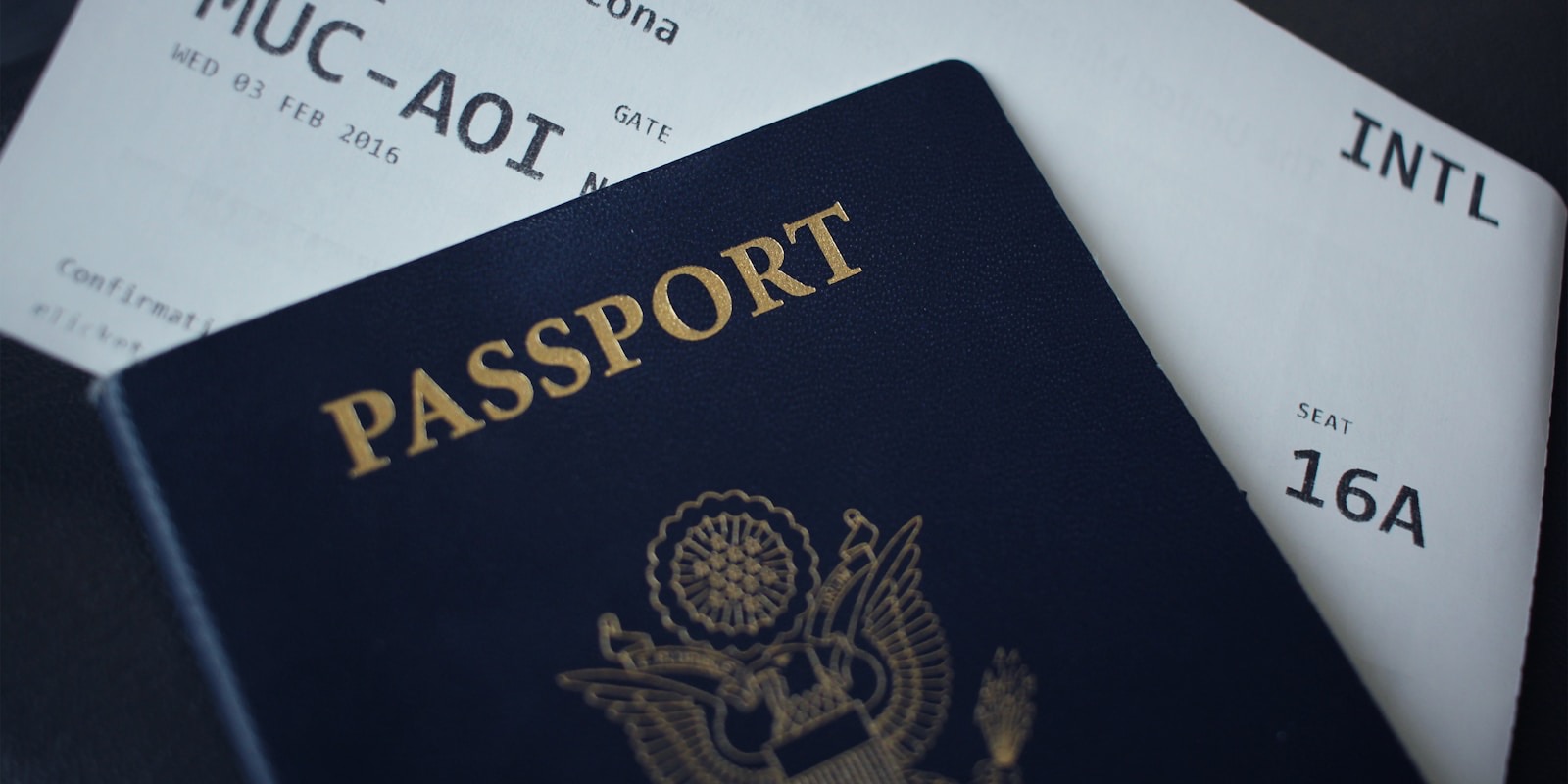
Somewhere on that visa application form, tucked between "purpose of visit" and "financial means," there it is: proof of travel, sometimes worded as a flight itinerary, sometimes as evidence of onward or return travel. Whatever the wording, the embassy wants to see dates and a route before they'll stamp anything.
Here's the awkward bit nobody tells you up front. Most embassies also warn you not to buy the ticket until the visa is actually granted. So you're stuck holding two contradictory instructions: show us your flight, but don't pay for your flight yet. It's a genuinely strange ask, and it trips up a lot of honest applicants who just want to do this properly.
The good news is there's a well-established, legitimate way through it. Let's get into it.
What a flight itinerary for a visa actually is
A flight itinerary, for visa purposes, is a document showing your planned travel dates, route and flight numbers. What it is not, in almost every case, is a requirement that you've already paid for the seat.
Embassies and immigration officers care about the information: where you're flying, when, and that the dates line up with the trip you've described. A confirmed reservation with a real booking reference gives them that. It doesn't need to be a ticketed, non-refundable, already-paid-for flight to do its job.
This distinction matters more than it sounds like it should, because it's the whole reason this guide exists.
Why embassies actually discourage buying before approval
Read the fine print on plenty of official visa checklists and you'll often find some version of: do not purchase your flight ticket until your visa has been approved. It's not a trick question. It's embassies protecting applicants from themselves.
Visas get refused. Processing times slip. Plans change. If you'd already paid full fare for a ticket and the visa doesn't come through, or comes through two weeks later than you needed, you're the one holding a non-refundable loss, not the embassy. So the advice that sounds unhelpful is actually looking out for you. It just leaves a gap: they want proof of a flight, but they're telling you not to commit to one yet.
That gap is exactly where a genuine reservation fits.
The safe ways to provide it, ranked
1. A genuine, verifiable held reservation
This is the option built for exactly this situation. A real reservation held directly with the airline, under a real PNR (passenger name record) that the embassy or airline can verify, but with no ticket purchase and no airfare paid unless and until you decide to actually fly.
This is what Peregrin does. Search your route, get a genuine verifiable held reservation in minutes, a real PNR you can check yourself, for one flat fee. No airfare charged unless you later confirm and fly. A reservation is a held booking, not a purchased ticket, and that's precisely the gap most visa checklists leave open. Get your reservation →
It matches what the embassy's checklist is actually asking for (dates, route, a bookable reference) without matching the risk the same checklist is warning you about (paying for a flight you might not need).
2. A real, refundable ticket you cancel later
You can book an actual refundable fare, submit it, and cancel afterwards if plans change. It works, but refundable fares usually cost several times a standard fare, and "refundable" still means paperwork, a hold on your card, and sometimes a cancellation window you need to track yourself. It's the expensive way to solve a problem that doesn't need to be expensive.
3. A real flight you're actually going to take
If you already know your dates and you're confident about the trip, just booking the real flight is perfectly fine too. Plenty of travellers do this when the destination and timing are locked in regardless of the visa outcome. The only catch is the same one from above: if the visa gets delayed or refused, you're carrying that cost yourself.
Never submit a faked or edited itinerary
This one needs to be said plainly. Do not take a screenshot of a real booking and edit the dates, and do not use one of the "instant PDF itinerary" generators that produce a document with no real booking behind it. That's not a shortcut, it's document fraud on a government form, and it's discovered more often than people assume. Airlines and immigration systems can and do check PNRs against their own records. If a reservation isn't real, that check fails, and now you've got a fraud problem stacked on top of the visa problem.
A genuine held reservation avoids this entirely because there's an actual booking sitting in the airline's system, checkable by anyone who wants to look.
Make sure your dates actually match
A small thing that trips people up: your itinerary needs to match the trip you've described elsewhere in the application. Same entry date, same exit date (if it's a return-trip requirement), same names, matching passport details. Immigration officers notice mismatches. If your visa is for a two-week trip and your itinerary shows you arriving three days after your stated start date, that's a flag, not a formality.
How to prepare your itinerary, step by step
- Check the exact wording of the visa requirement. Some ask for a "flight reservation," others "proof of onward travel," others "itinerary." All can typically be satisfied by a genuine held reservation.
- Confirm your travel dates against your visa application, your accommodation booking, and any invitation letter or sponsor documents you're also submitting.
- Get a genuine verifiable held reservation with your correct name (exactly as it appears in your passport), route and dates.
- Download the document. It should show a real PNR, the airline, flight numbers, dates and passenger name, all in a clean format an officer can read in seconds.
- Attach it to your application alongside whatever else the checklist wants (often accommodation proof and travel insurance too).
- Keep a copy for yourself. If an officer asks a follow-up question at the counter or during an interview, you want the same document on your phone.
A couple of things worth sorting anyway
(A quick note: some links below are affiliate links, so we may earn a small commission if you use them. It costs you nothing extra, and we only point to things we'd genuinely suggest to a friend.)
While you've got the visa paperwork open, two other boxes are worth ticking at the same time.
Travel insurance. A lot of visa applications either require it outright or make your case noticeably stronger when it's included. SafetyWing is what we use ourselves and what we recommend, built for exactly this kind of travel, and quick to get a certificate from.
New to SafetyWing? On their Nomad Insurance page, click the pink camera and enter code PEREGRIN for 8 weeks of electronics-theft cover free (28-day or annual Nomad Essential plan).
Accommodation proof. Some visas want to see where you're staying as well as how you're arriving. A flexible, cancellable booking through Booking.com covers that requirement the same way a held flight reservation covers the flight one: real, checkable, and not locking you into anything before you actually need to be.
FAQ
Is a genuine reservation enough, or do I need a paid ticket? For the vast majority of visa applications, a genuine reservation with a real, verifiable PNR is enough. The checklist wants proof of your travel plans, not proof you've already paid full fare. Always check the specific embassy's wording if you're unsure, but "reservation" and "paid ticket" are not the same requirement.
Will the embassy know it isn't paid for? They may well be able to see it's a held reservation rather than a ticketed fare, and that's fine, because it's exactly what most checklists ask for and even recommend given their own advice not to buy early. What matters is that the PNR is real and verifiable. A genuine held reservation stands up to scrutiny in a way an edited screenshot never will.
Is this legal? Yes. A genuine held airline reservation is a real booking in the airline's own system, obtained the same way a travel agent or airline call centre would create one. There's nothing fabricated about it. It's a different product from document forgery, which is the thing you're actually avoiding by using a real reservation in the first place.
What if my visa gets refused after I've booked? With a held reservation, you haven't paid airfare, so there's no fare to lose. That's the entire point of using this option over buying a ticket early.
Do I need to cancel anything afterwards? No. Since a held reservation is never ticketed unless you choose to proceed, there's nothing to cancel or refund if you don't end up flying that particular itinerary.
Related guides
- Do I need a dummy ticket for a visa application?
- Flight reservation for a Schengen visa
- Proof of onward travel for Thailand
- Proof of onward travel for Vietnam
Need a flight itinerary for your visa application right now? Search your route, hold a genuine verifiable reservation with a real PNR in minutes, and only pay airfare if you actually confirm and fly. Get your reservation →
This article is general information, not legal or immigration advice. Visa requirements vary by country and change often, so always check the specific embassy or consulate's current checklist before you apply.
Need proof of onward travel?
Get a genuine, verifiable flight ticket reservation in minutes. A real airline booking reference you can show at check-in or with a visa application. No airfare paid unless you choose to fly.
Get a reservation →