Onward Ticket Meaning: What It Actually Is and When You Need One in 2026
You booked the flight. You sorted the visa, or you checked and you don't need one. And then somewhere in the fine print, or from a friend, or from a check-in agent's raised eyebrow, comes a phrase nobody explained: onward ticket. Suddenly you're not sure whether you need one, what counts as one, or whether you're about to spend money on a flight you'll never take.
Good news: it's a simple idea wearing slightly confusing clothes. Here's what an onward ticket actually means, when it's asked for, and the calm way to have one ready without throwing money at a seat you don't want.
What "onward ticket" means
An onward ticket is a confirmed booking that shows you leaving the country you're entering. That's the whole idea. "Onward" just means your next move: a flight home, or a flight on to your next destination. It's sometimes called proof of onward travel, a return ticket, or an exit flight, and while people use those terms loosely, they all point at the same thing: evidence that you don't intend to overstay, because you already have a way out.
Note the emphasis on out, not home. An onward ticket doesn't have to be a return to where you started. A flight from the country you're visiting to any other country counts. If you're flying into Thailand and out to Vietnam two weeks later, that Vietnam flight is your onward ticket.
One more distinction worth holding onto, because it's the one that saves you money. A ticket is something you've bought and paid the fare for. A reservation is a confirmed booking that's held, with a real airline reference, but not yet paid off as a fare. Both can serve as proof of onward travel. Only one of them costs you the price of a flight. More on that below.
Why anyone asks for it in the first place
The reasoning is duller than the anxiety it causes. Countries don't want visitors overstaying, and they push some of the responsibility for that onto the airlines. If an airline flies someone to a country that then refuses them entry, the airline usually has to fly them back at its own expense, sometimes with a fine on top. So airlines protect themselves by checking, before you board, that you look like someone who'll be let in and will leave on time. An onward ticket is the quickest signal of that.
That's why the request can feel inconsistent. It isn't really about you. It's about the airline managing its own risk on a given route on a given day.
When you actually need one, honestly
Here's where the honesty matters more than a confident list. Whether you need an onward ticket depends on three things: your nationality, the country you're entering, and sometimes the specific airline and agent you get. Some countries require proof of onward or return travel as a written condition of entry or visa. Others don't mention it, yet the airline asks anyway. And plenty of travellers pass through with no one ever asking at all.
So resist anyone (including this page) telling you a flat "you always need one" or "you never do". The rules vary and they change. The reliable move is to check the entry requirements for your specific nationality and destination on official government sources close to your travel date, and check your airline's own entry-requirements tool, since the airline is the party most likely to actually ask. When in doubt, it's cheap to be ready and expensive to be caught out.
Two checkpoints, and they're not the same
"Will I get asked?" really has two separate answers, and knowing the difference tells you how seriously to take it.
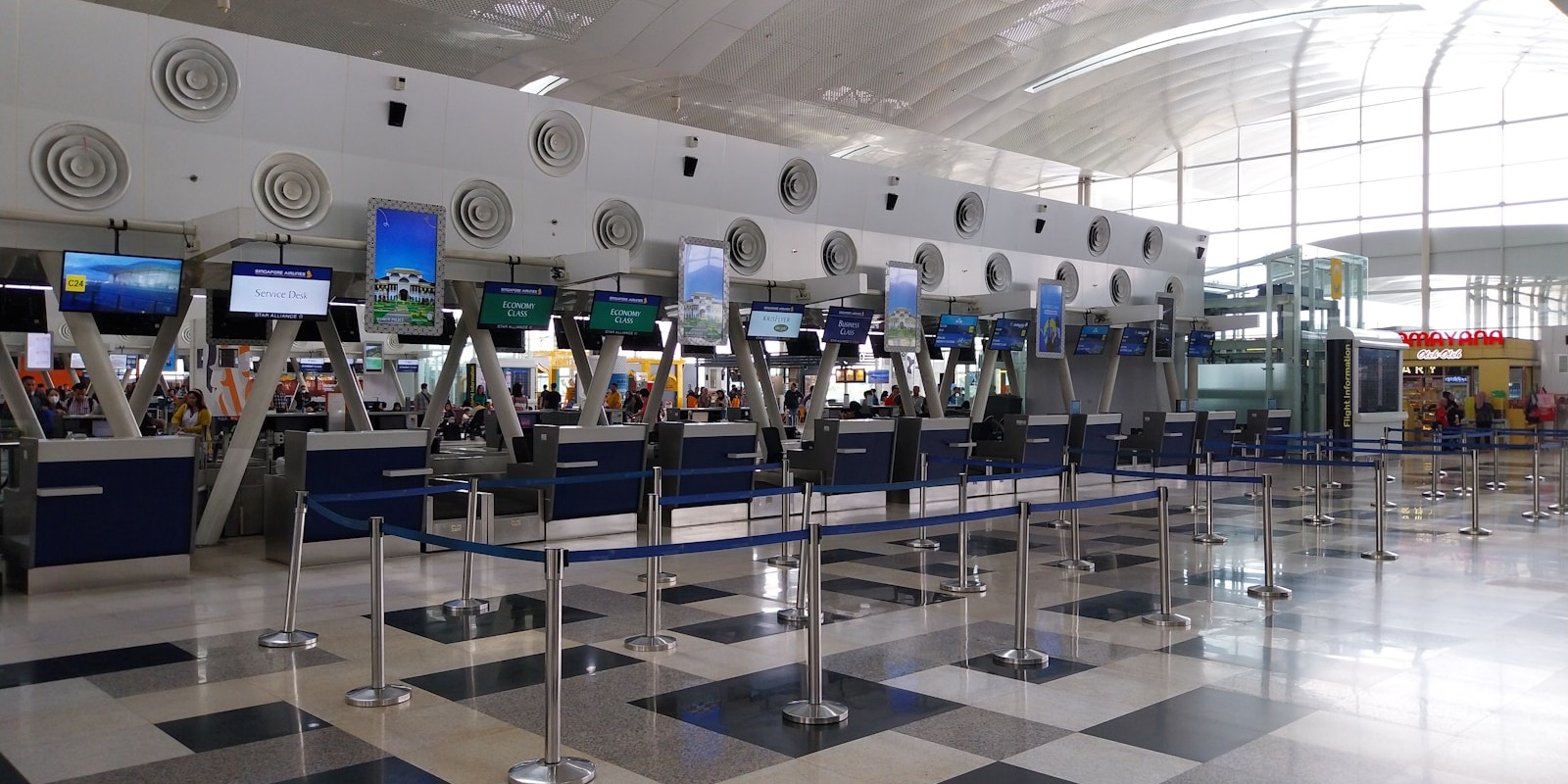
At check-in, before you board. This is the one that strands people. The airline is on the hook for the cost of a refused passenger, so check-in staff may ask to see an onward or return booking before handing over a boarding pass. Your visa being perfectly valid doesn't always settle it, because the agent is protecting the airline, not adjudicating your paperwork. No onward proof, and you can be standing at the departure airport unable to fly.
At immigration, on arrival. Less predictable and more human. A border officer can ask about your plans, especially if your stay is long or your answers are vague, and a booking ready to show makes it a quick exchange.
The practical upshot: even if you're confident immigration won't ask, the airline might, so the safe assumption is to have something real ready at the gate.
How to satisfy it, ranked
A genuine, verifiable held reservation. If your onward plans aren't locked (the usual state of affairs for open-ended trips), a real held reservation is built for this. It's a genuine airline booking with a real reference, a PNR, that someone can verify, held under the fare's own rules without the airfare being charged. You get something real and checkable to show, without spending on a flight you may never take.
This is the gap Peregrin fills: it creates a genuine, verifiable held airline reservation in your name in minutes, so you have honest proof of onward travel to show, for a flat fee, with no airfare charged unless you later confirm and fly. It's a real reservation, not an edited screenshot, so it holds up when someone enters the reference. (A reservation is a held booking, not a purchased ticket.)
A real onward flight you'll take. If you already know your next stop and roughly when, just book it. A ticket you'll actually use is the cleanest proof there is, and it does double duty as your actual travel plan.
A fully refundable ticket. Legitimate, but you're tying up real money, and refundable fares cost more and take time to reverse. Fine if your plans are firm and your budget can float it.
And the one to avoid: a faked or edited itinerary. It might look fine on a screen, but the moment someone enters the reference and finds nothing behind it, a small admin question becomes a serious one about your credibility. Whatever you show, make it genuine and verifiable. The shortcut isn't worth the risk, and we wrote a whole guide on why the "dummy ticket" route backfires.
Step by step: getting your onward ticket sorted
- Check whether your destination requires it for your nationality, on official government sources, close to your travel date.
- Check your airline's entry-requirements tool, since the airline is the party most likely to ask at check-in.
- Choose your proof: a real flight you'll take, a refundable ticket, or a genuine verifiable reservation.
- Match the details: the departure date should sit within your permitted stay, and the name must match your passport exactly.
- Keep it accessible: onward booking on your phone, plus a printout with its reference, ready before you reach the counter.
A couple of things worth sorting anyway
(A quick note: some links below are affiliate links, so we may earn a small commission if you use them. It costs you nothing extra, and we only point to things we'd genuinely suggest to a friend.)
- Travel insurance. Whatever the destination, cover for medical costs or a missed connection is easier to have in place before you fly than to wish for afterwards. SafetyWing is built for travellers and nomads and takes a few minutes online. New to SafetyWing? On their Nomad Insurance page, click the pink camera and enter code PEREGRIN for 8 weeks of electronics-theft cover free (28-day or annual Nomad Essential plan).
- Accommodation. A confirmed first-night booking is handy for your own arrival and in case anyone asks where you're staying. A free-to-cancel stay on Booking.com keeps it flexible while plans firm up.
- Things to do. If you like a couple of anchors booked before you land, browse tours and tickets here.
FAQ
Is an onward ticket the same as a return ticket? Not quite. A return ticket takes you back to where you started; an onward ticket just takes you out of the country you're entering, to anywhere. A return flight counts as an onward ticket, but an onward ticket doesn't have to be a return.
Does a reservation count, or do I need a paid ticket? For proof-of-onward-travel purposes, a confirmed booking with a real, verifiable reference is what's being asked for. A genuine held reservation is designed to meet that, and it's real and checkable, which is the whole point. A fully paid ticket you don't intend to use just ties up money for the same job.
Can I just book a refundable flight and cancel it? You can, and it's legitimate. The downsides are that refundable fares cost more, and the refund takes time to come back, so you're floating real money in the meantime. A held reservation gets you the same proof without the outlay.
Do I always need an onward ticket? No. It depends on your nationality, your destination, and sometimes the specific airline. Some countries require it, some don't, and some travellers never get asked. Check official sources and your airline's tool for your exact trip rather than assuming either way.
What must the onward ticket show? Your name matching your passport, a real airline reference you can verify, and a departure from the country you're entering within your permitted stay. That's it.
Related guides
- Dummy Ticket for a Visa Application: What It Really Means
- Flight Itinerary for a Visa Application: What It Needs to Show
- Proof of Onward Travel for Vietnam
- Onward Travel and the Digital Nomad Visa
Need an onward ticket without buying a flight you may not use? Peregrin creates a genuine, verifiable flight reservation in minutes, a real airline booking reference you can show at check-in and immigration, for a flat fee, no airfare charged unless you choose to fly. Get your reservation →
(This guide is general information, not immigration or visa advice. Entry rules change and vary by nationality. Always verify current requirements for your route with official sources before you travel.)
Need proof of onward travel?
Get a genuine, verifiable flight ticket reservation in minutes. A real airline booking reference you can show at check-in or with a visa application. No airfare paid unless you choose to fly.
Get a reservation →